
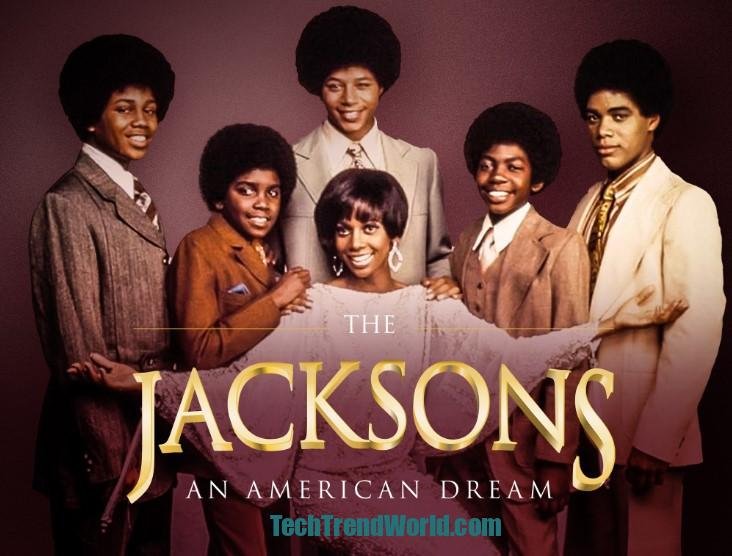
Few families have shaped American music the way the Jacksons did. Their journey from a cramped house in Gary, Indiana, to the top of the global charts became the subject of one of television’s most ambitious biographical projects: The Jacksons: An American Dream.
Released in 1992, this five-hour ABC miniseries didn’t just document a music career. It captured the grit, sacrifice, and tension behind one of the most recognizable success stories in pop culture. Decades later, it’s still considered one of the most honest on-screen portrayals of what fame actually costs a family.
This article breaks down everything worth knowing about the miniseries — its true story, cast, production background, reception, and lasting cultural impact — so you get a complete, accurate picture in one place.
What Is The Jacksons: An American Dream?
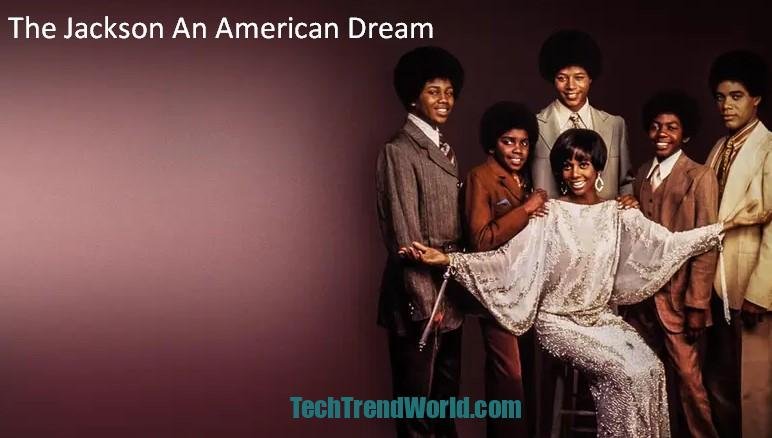
The Jacksons: An American Dream is a two-part miniseries that aired on ABC on November 15 and November 18, 1992. Running roughly five hours in total, it dramatizes the Jackson family’s history, starting with Joseph and Katherine Jackson’s early years in a Midwestern steel town and continuing through the rise of the Motown group The Jackson 5.
The project carries real weight because it wasn’t an outside dramatization. Jermaine Jackson, one of the original Jackson 5 members, served as a producer, giving the show a level of insider access that most celebrity biopics never get. It was also based on Katherine Jackson’s autobiography, My Family, which anchors the story in the mother’s perspective rather than treating the family as distant celebrities.
Motown Productions co-produced the series, tying the story directly back to the label that discovered the group and shaped its early sound.
The True Story Behind the Miniseries
The Jackson family’s real story is the backbone of this production, and understanding it adds depth to every scene.
From Gary, Indiana to Motown
Joseph and Katherine Jackson raised nine children in a small house in Gary, Indiana. Joseph worked demanding factory jobs while pushing his sons toward music with an intensity that became legendary — and controversial. That discipline eventually formed The Jackson 5: Jackie, Tito, Jermaine, Marlon, and a young Michael Jackson as lead vocalist.
The Chitlin’ Circuit Years
Before signing with Motown, the group performed on what was known as the Chitlin’ Circuit — a network of venues across the segregated United States where Black performers could work during the Jim Crow era. This grueling touring schedule sharpened their stage presence long before national fame arrived.
Motown Success and Family Strain
Once Motown signed the group in the late 1960s, hits followed quickly. But success also introduced new pressures: marriages formed early, Jermaine eventually left the group, and cracks appeared in Joseph and Katherine’s marriage. The miniseries doesn’t shy away from these details, which is part of what set it apart from typical celebrity retrospectives of the era.
Michael’s Rise to Global Icon
The second half of the story shifts toward Michael Jackson’s emergence as a solo superstar, touching on the pressures of his transformation into a global icon following albums like Off the Wall and Thriller, along with the well-documented Pepsi commercial accident that injured him during filming in 1984.
Cast and Key Performances
The casting choices are a major reason the miniseries still holds up. Several performers delivered career-defining work here.
- Lawrence Hilton-Jacobs as Joseph Jackson — portraying the demanding, complicated family patriarch
- Angela Bassett as Katherine Jackson — a performance widely praised for its emotional restraint and strength
- Holly Robinson Peete as Diana Ross
- Billy Dee Williams and Vanessa Williams in supporting roles
- Jason Weaver as the teenage Michael Jackson (aged 9–14), known for capturing Michael’s singing voice as well as his mannerisms
- Alex Burrall as the youngest version of Michael Jackson (aged 6–8)
- Terrence Howard as Jackie Jackson — notably one of his very first on-screen roles
- Bumper Robinson, Kelli Martin, Monica Calhoun, and other young actors rounding out the sibling cast
This ensemble is also historically notable because it marked the first film and television appearances for both Terrence Howard and Jason Weaver, two actors who went on to build significant careers in Hollywood.
Production Background
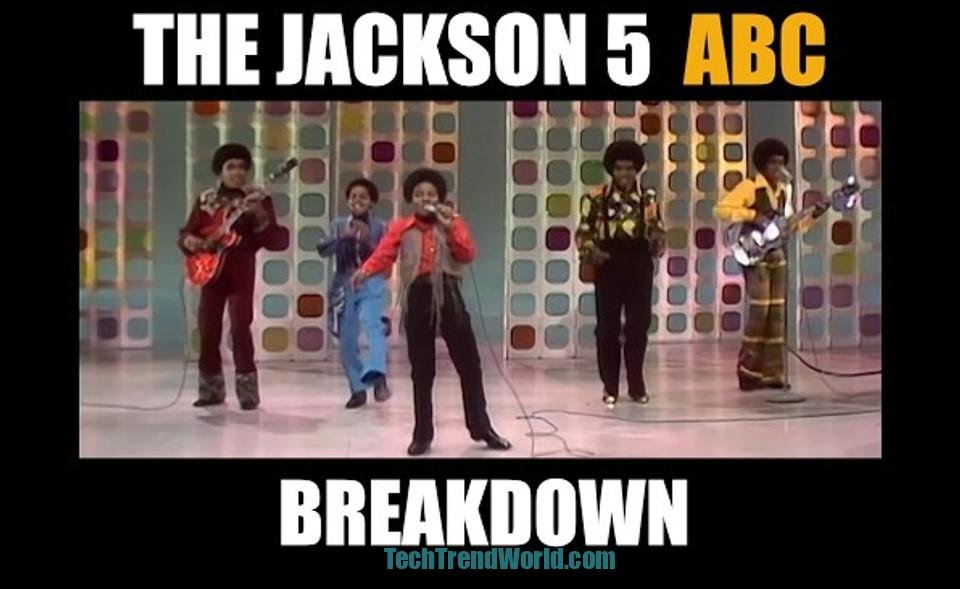
Behind the scenes, the miniseries had serious industry backing:
| Production Detail | Information |
| Network | ABC |
| Original Air Dates | November 15 – November 18, 1992 |
| Running Time | Approximately 300 minutes (5 hours) |
| Director | Karen Arthur |
| Writer | Joyce Eliason |
| Executive Producers | Suzanne de Passe, Stan Margulies |
| Producers | Joyce Eliason, Jermaine Jackson, Margaret Maldonado |
| Production Companies | Motown Productions, KJS Films, PolyGram Filmed Entertainment |
| Filming Locations | Los Angeles, California, and Pittsburgh, Pennsylvania |
| Based On | Katherine Jackson’s autobiography, My Family |
Director Karen Arthur had previously filmed her feature Lady Beware in Pittsburgh, which is why part of the production returned to that city. Filming in both Los Angeles and Pittsburgh allowed the crew to recreate the visual contrast between the Jacksons’ modest Midwestern roots and their later California-based stardom.
Plot Breakdown: Part One vs. Part Two
Understanding the two-part structure helps explain why the miniseries felt more like a complete family epic than a typical TV movie.
Part One: Building the Dream
The first half focuses on Joseph and Katherine raising their nine children in Gary, Indiana. Joseph’s relentless drive pushes five of his sons into becoming a professional singing and dancing act, eventually branded The Jackson 5. This section covers their early struggles, the Chitlin’ Circuit years, and their eventual Motown breakthrough.
Part Two: The Cost of Success
The second half shows how continued fame reshapes the family. As Michael’s individual stardom grows, tensions increase. Tito marries young, Jermaine exits the group, and Katherine discovers Joseph’s infidelity. This half moves the family drama from external ambition to internal fracture — arguably the more emotionally complex portion of the story.
Awards and Critical Reception
The miniseries wasn’t just a ratings success — it earned genuine industry recognition. It won an Emmy Award for Outstanding Individual Achievement in Choreography, a nod to how carefully the production recreated the group’s iconic performance style.
Critics singled out Angela Bassett’s and Lawrence Hilton-Jacobs’ performances for particular praise, noting their ability to humanize two real people who had, by 1992, already become mythologized public figures. Reviewers at the time and in retrospective pieces have consistently pointed out that the series managed something rare: portraying a Black American family’s rise to global fame without flattening it into a simple success story.
Comparison: The Jacksons vs. Other Music Biopics
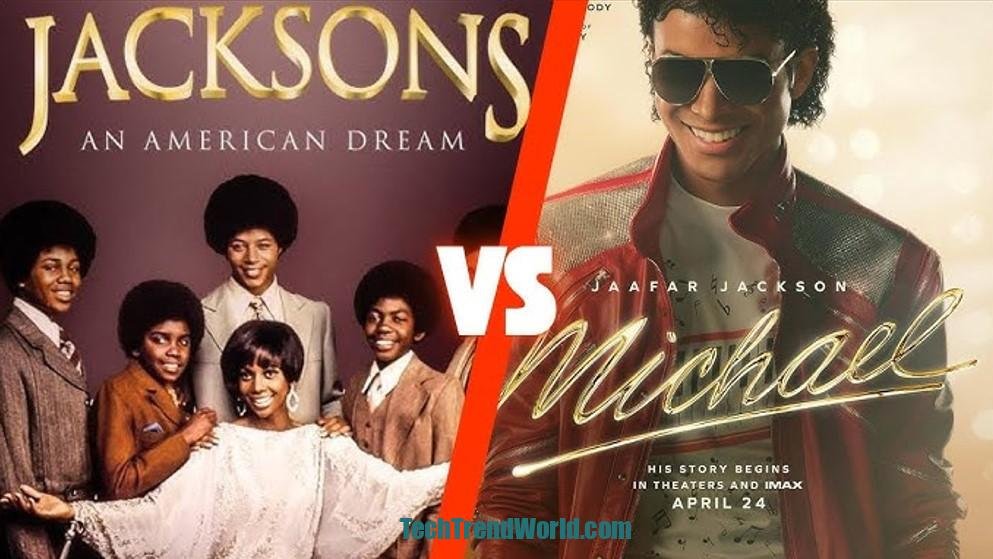
Here’s how the miniseries stacks up against other well-known music family biographical projects.
| Feature | The Jacksons: An American Dream (1992) | Typical Studio Music Biopic |
| Family Involvement | Produced by Jermaine Jackson himself | Usually no direct family production credit |
| Source Material | Based on Katherine Jackson’s memoir | Often based on secondary reporting |
| Format | Two-part, 5-hour miniseries | Typically 2-hour theatrical film |
| Scope | Multi-generational family story | Usually centers on one artist |
| Tone | Balances triumph and hardship | Often leans toward a single narrative arc |
| Casting Approach | Multiple actors per role across age ranges | Usually one actor per character |
This comparison shows why the miniseries format actually benefited the story. A single two-hour film would have struggled to cover five decades of family history with the same depth.
Pros and Cons of the Miniseries
Pros
- Backed by real family involvement through Jermaine Jackson’s producer role
- Strong, award-recognized performances, especially from Angela Bassett
- Covers both the professional triumphs and personal struggles honestly
- Historically significant early roles for Terrence Howard and Jason Weaver
- Grounded in Katherine Jackson’s own written account of events
Cons
- Some critics note the pacing slows during the mid-section transition between eras
- Certain family conflicts are compressed for television time constraints
- As a decades-old production, picture quality on older prints can vary depending on the streaming source
- Some viewers feel the ending shifts focus too heavily toward Michael at the expense of the other siblings
Why the Miniseries Still Matters Today
More than three decades later, The Jacksons: An American Dream remains a reference point whenever new projects about the family are announced. Its influence is visible in later productions, including the spiritual successor Man in the Mirror: The Michael Jackson Story, and it’s frequently revisited by critics whenever a new Jackson-related biopic enters development.
Part of its staying power comes from timing. The Jacksons’ story intersects with major chapters of American cultural history: the Great Migration-era steel towns, the segregated performance circuits of the Jim Crow South, and the rise of Motown as a defining force in American music. Very few celebrity biopics manage to connect a family’s personal story to that much national history in one production.
It also helped establish a template other music biopics later followed: casting multiple actors to play a character across different life stages, involving family members directly in production, and treating fame as something with real emotional cost rather than a simple triumph narrative.
Where to Watch The Jacksons: An American Dream
Availability for older miniseries titles shifts frequently between streaming platforms, digital rental services, and archival sites. Before searching, check current listings on major streaming guides, since licensing for classic ABC programming changes over time. Physical DVD copies also circulate through secondhand marketplaces for viewers who prefer a permanent copy.
Frequently Asked Questions
Is The Jacksons: An American Dream based on a true story?
Yes. It’s based on the real history of the Jackson family and draws directly from Katherine Jackson’s autobiography, My Family.
Who played Michael Jackson in the miniseries?
Two actors played Michael Jackson at different ages: Alex Burrall portrayed him from ages 6–8, and Jason Weaver played him from ages 9–14.
Did Jermaine Jackson help produce the show?
Yes. Jermaine Jackson served as one of the producers, giving the production direct family involvement.
How long is the full miniseries?
It runs approximately five hours total, split across two broadcast parts.
What awards did it win?
It won an Emmy Award for Outstanding Individual Achievement in Choreography.
Who played Katherine and Joseph Jackson?
Angela Bassett played Katherine Jackson, and Lawrence Hilton-Jacobs played Joseph Jackson.
Was this Terrence Howard’s first acting role?
Yes. His role as Jackie Jackson marked one of his first film and television appearances.
When did it originally air?
It aired on ABC across two nights, November 15 and November 18, 1992.
Where was it filmed?
Filming took place in Los Angeles, California, and Pittsburgh, Pennsylvania.
Does the miniseries cover Michael Jackson’s solo career?
It touches on the beginning of his solo rise, including the period surrounding Off the Wall and Thriller, but it does not extend deep into his later solo years.
Conclusion
The Jacksons: An American Dream remains one of the most thorough, family-authorized portrayals of a musical dynasty ever produced for television. By combining Jermaine Jackson’s direct involvement, Katherine Jackson’s own written account, and strong performances from a cast that included Angela Bassett, Lawrence Hilton-Jacobs, and a young Terrence Howard, the miniseries captured something most celebrity biopics miss: the real human cost behind a family’s rise to fame.
More than 30 years after it first aired, it’s still worth revisiting — not just as a piece of pop culture history, but as a genuinely well-made portrait of ambition, sacrifice, and the complicated meaning of the American Dream itself.