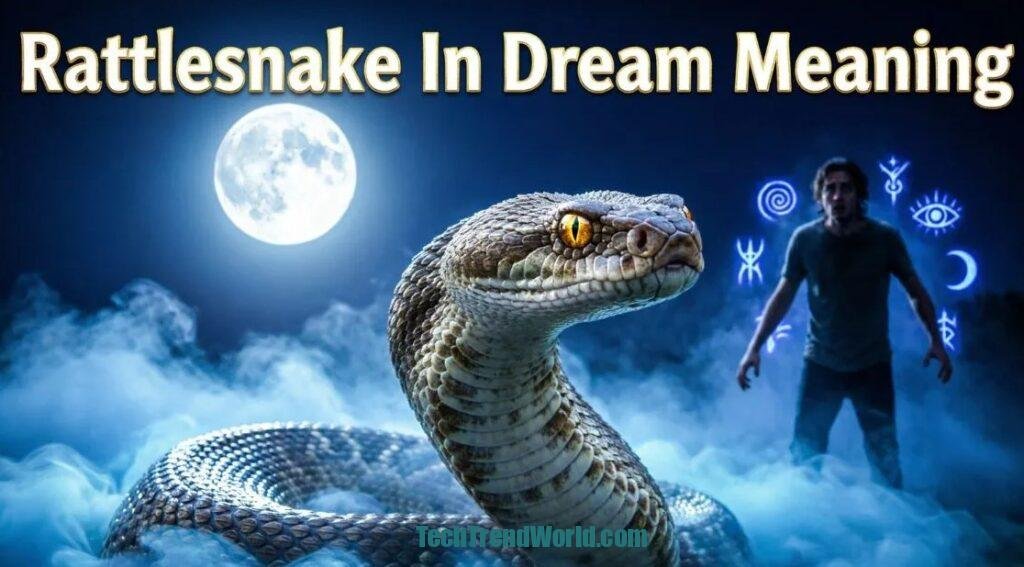
You woke up with your heart pounding. In the dream, a rattlesnake coiled just a few feet away, its tail buzzing like a warning siren. Maybe it struck. Maybe it just watched you. Either way, you can’t shake the feeling that it meant something.
You’re not alone. Snake dreams rank among the most common — and most unsettling — dream themes people search for. Rattlesnakes, specifically, carry extra weight because of their rattle, their venom, and the very real danger they represent in waking life.
This guide breaks down what a rattlesnake dream might actually mean, based on dream psychology, common symbolism, and the specific details of your dream. We’ll cover different scenarios, cultural interpretations, and what steps you can take if the dream keeps coming back.
Why Rattlesnakes Show Up in Dreams
Your brain doesn’t pick dream symbols at random. It pulls from memory, emotion, and instinct — and rattlesnakes tap into something primal.
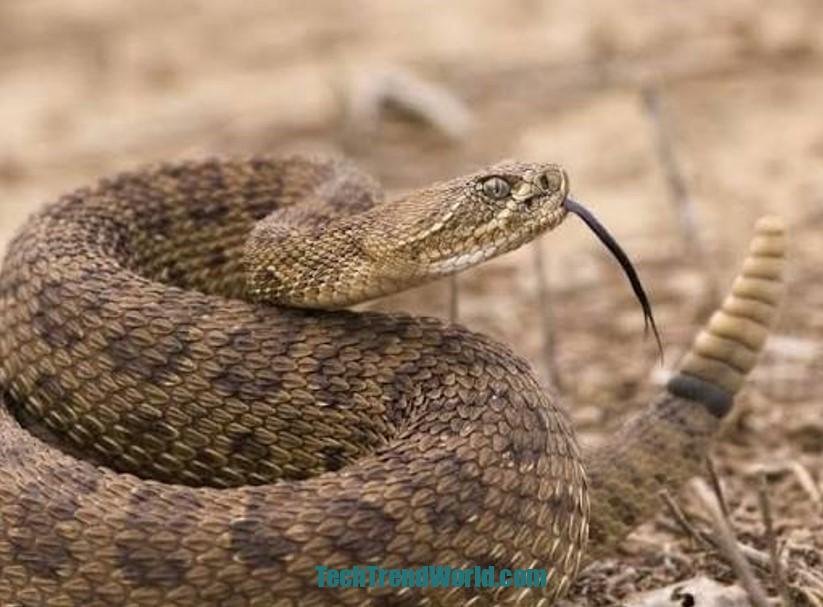
Unlike most snakes, rattlesnakes announce themselves. That rattle is a built-in warning system, telling you danger is close before it strikes. This makes rattlesnake dreams feel different from dreams about silent, sneaking snakes. Your subconscious may be using this specific animal because it wants you to notice a threat you’ve been ignoring.
Rattlesnakes also live in dry, exposed terrain — deserts, rocky trails, open fields. If your dream includes this kind of setting, it may reflect feelings of vulnerability or exposure in a stressful part of your life.
Three factors typically drive a rattlesnake dream:
- Recent stress or conflict — arguments, workplace tension, or a decision you’re avoiding
- A sense of betrayal or hidden danger — someone or something you don’t fully trust
- Unprocessed fear — anxiety your waking mind hasn’t dealt with yet
General Meaning of Rattlesnake Dreams
At the core, a rattlesnake in a dream almost always points to warning, fear, or transformation. Here’s how these three themes usually break down:
Warning signs. The rattle is the key detail. In many interpretations, a rattlesnake dream means your subconscious has picked up on a threat before your conscious mind has. This could be a toxic relationship, a bad business deal, or a decision that feels off.
Suppressed fear or anxiety. Snakes are one of the most universally feared animals. A rattlesnake dream can simply reflect anxiety you’re carrying — about health, money, or an upcoming event — even if the snake itself has no direct connection to the issue.
Transformation and shedding the old. Snakes shed their skin. This biological fact has made them a symbol of renewal across cultures for thousands of years. A rattlesnake dream may signal that you’re outgrowing a phase of your life, a relationship, or an old version of yourself.
Hidden enemies or betrayal. Because rattlesnakes can also strike without much visible movement, some interpreters connect them to people who seem harmless but aren’t — a coworker, friend, or family member acting in bad faith.
Common Rattlesnake Dream Scenarios and Their Meanings
The details of your dream matter more than the snake itself. Here’s what specific scenarios tend to represent.
Being Chased by a Rattlesnake
This is one of the most common anxiety dreams. It usually means you’re avoiding a problem instead of confronting it. The chase reflects the mental energy you’re spending trying to outrun something — a conversation, a bill, a diagnosis — that will eventually catch up to you.
Getting Bitten by a Rattlesnake
A bite often symbolizes a painful truth or betrayal that has already happened, or one you sense is coming. It can also mean a fear has “gotten to you” emotionally, even if nothing bad has happened yet in real life.
Killing a Rattlesnake
Killing the snake in your dream is generally a positive sign. It suggests you’re taking control of a fear or threat rather than letting it control you. This dream often appears after someone makes a hard decision, sets a boundary, or ends a toxic situation.
A Rattlesnake That Doesn’t Attack
If the snake is coiled but stays still, this can represent a threat you’re aware of but haven’t dealt with. You know something is wrong, but you haven’t taken action yet.
Multiple Rattlesnakes
Seeing several rattlesnakes at once often points to overwhelm. Multiple stressors — work, family, finances — may be piling up at the same time, and your mind is representing that as a den of danger rather than one single problem.
A Rattlesnake in Your House
This scenario tends to relate to domestic or family tension. Since the home represents safety and personal space in dream symbolism, a snake inside it can mean a threat has entered a relationship or environment you thought was secure.
Holding or Petting a Rattlesnake
Surprisingly, this can be a sign of mastering your fears. Handling the snake without panic suggests growing confidence in facing a difficult situation head-on.
A Rattlesnake Rattling But Not Visible
Hearing the rattle without seeing the snake often reflects anticipatory anxiety — the sense that something bad is about to happen, even without clear evidence yet.
Rattlesnake Dream Meaning by Color
Color adds another layer of meaning in dream symbolism. While not scientifically proven, these associations are widely used in dream interpretation communities.
- Black rattlesnake — often tied to fear of the unknown or a warning about someone hiding their true intentions
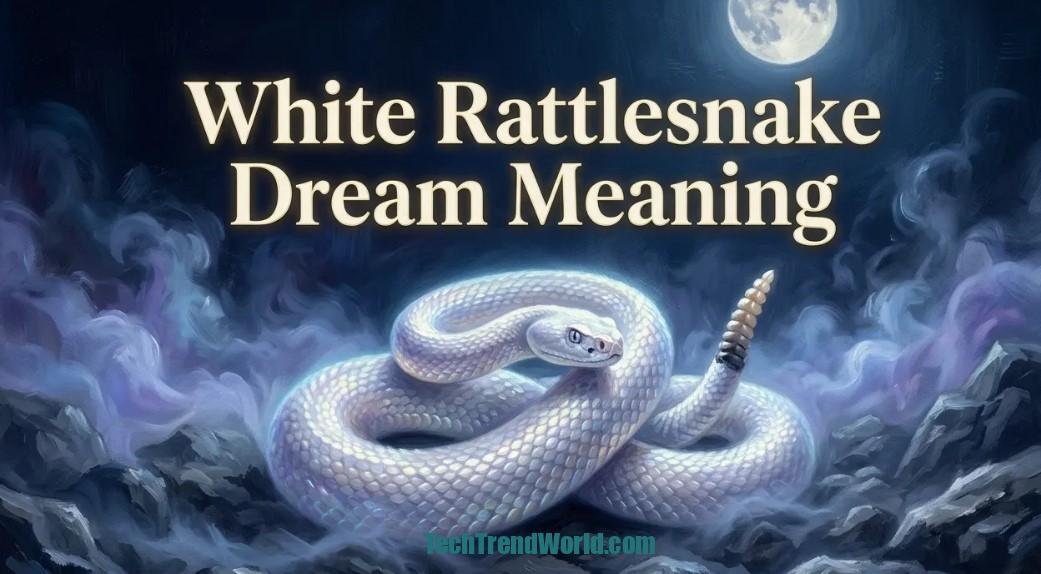
- White rattlesnake — linked to spiritual messages, purity of intent, or a warning that feels less threatening than it appears
- Green rattlesnake — associated with jealousy, envy, or financial concerns
- Yellow rattlesnake — connected to caution, cowardice, or a need to slow down before acting
- Red rattlesnake — tied to intense emotion, passion, or anger that needs an outlet
Psychological Perspective on Snake Dreams
Modern dream researchers generally avoid fixed symbol dictionaries. Instead, most cognitive and psychological models treat dreams as the brain’s way of processing unresolved emotion, memory, and stress from the day.
Psychologist Carl Jung viewed snakes as archetypal symbols tied to the unconscious mind, transformation, and primal instinct — not always negative, but always significant. Sigmund Freud, on the other hand, associated snake imagery with repressed anxiety, often unrelated to anything sexual despite popular misconceptions about his work.
More recent research on dream content suggests that animals appearing in dreams, especially predators or venomous creatures, tend to correlate with heightened stress or unresolved conflict in waking life rather than any single fixed meaning.
The practical takeaway: your rattlesnake dream is less about the snake and more about what’s currently unresolved in your mind. Ask yourself what situation in your life currently feels like it could “bite” you if you’re not careful.
Spiritual and Cultural Interpretations
Different cultures have shaped rattlesnake symbolism in distinct ways, and many people find these lenses meaningful even outside a religious context.
Native American traditions. Several Indigenous cultures in the American Southwest, where rattlesnakes are common, view the animal as a symbol of transformation, healing, and respect for nature’s power rather than pure danger. The Hopi people have historically associated snakes with rain and fertility ceremonies.
Christian symbolism. In Western Christian tradition, snakes are frequently linked to temptation and deception, drawing from the biblical account in Genesis. A rattlesnake dream in this framework might represent a moral choice or a temptation to avoid.
Eastern philosophy. In some Eastern traditions, snakes represent kundalini energy — a form of spiritual awakening. A rattlesnake dream here might suggest personal or spiritual growth rather than danger.
There’s no single “correct” cultural lens. The right interpretation often depends on your own background, beliefs, and what feels true to your current life situation.
Rattlesnake vs. Other Snake Dreams: Comparison Table
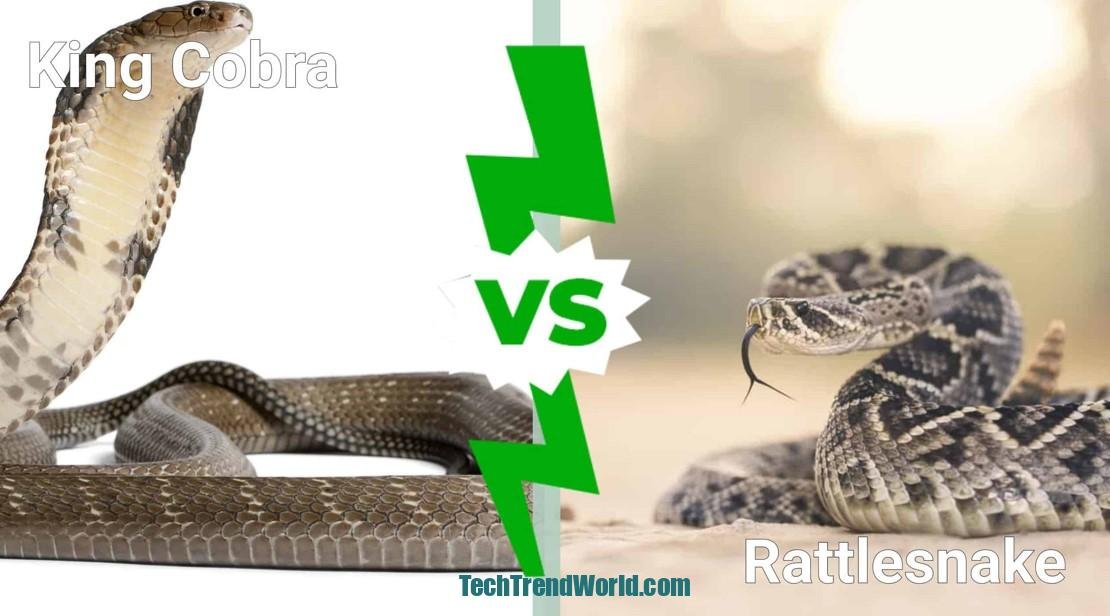
| Dream Element | Rattlesnake | Common Garden Snake | Cobra | Python/Constrictor |
| Core Symbolism | Warning, hidden threat | Minor worry, small stress | Power struggle, ego conflict | Feeling trapped or controlled |
| Typical Emotion | Fear, alertness | Mild unease | Intimidation, rivalry | Suffocation, helplessness |
| Common Trigger | Sensed betrayal or danger | Everyday stress | Conflict with authority | Overwhelming relationship or job |
| Positive Reading | Awareness of a threat before it happens | Manageable, low-stakes concern | Reclaiming personal power | Recognizing a need for boundaries |
| Negative Reading | Ignoring a real warning sign | Anxiety spiraling unnecessarily | Losing a power struggle | Feeling stuck with no way out |
Pros and Cons of Paying Attention to Snake Dreams
Pros
- Helps identify stress or conflict you may be avoiding in waking life
- Encourages self-reflection and emotional awareness
- Can highlight relationships or situations worth reconsidering
- Costs nothing and requires no special training to start journaling about it
Cons
- Dream symbolism isn’t scientifically validated as predictive
- Overanalyzing dreams can increase anxiety rather than reduce it
- Interpretations vary widely across sources, which can create confusion
- Should never replace professional guidance for ongoing nightmares or anxiety
What to Do After a Rattlesnake Dream
If the dream is sticking with you, here’s a practical way to work through it instead of just guessing at meaning.
- Write it down immediately. Dreams fade fast. Note the setting, the snake’s behavior, and how you felt.
- Identify the closest real-life stressor. Ask what in your current life feels unpredictable or threatening, even mildly.
- Look at your reaction in the dream. Did you freeze, run, or fight? This often mirrors how you’re handling stress right now.
- Check for recurring patterns. One rattlesnake dream is common. Recurring ones may point to something you keep avoiding.
- Talk to a therapist if nightmares persist. Frequent, distressing dreams can sometimes signal anxiety or stress that deserves professional support.
Frequently Asked Questions
What does it mean to dream about a rattlesnake specifically, instead of another snake?
The rattle adds a “warning” element that other snakes don’t have. It usually signals a threat your subconscious wants you to notice before it becomes serious.
Is dreaming about a rattlesnake always a bad sign?
No. Many interpretations connect it to transformation, growth, or gaining awareness of a problem — not just danger. Context and your emotional reaction in the dream matter most.
What does it mean if the rattlesnake bites me in the dream?
A bite often reflects a painful truth, betrayal, or fear that has already affected you emotionally, even if nothing has happened yet in real life.
Does killing a rattlesnake in a dream mean something good?
Generally, yes. It’s often interpreted as taking control of a fear or ending a harmful situation rather than avoiding it.
Why do I keep having the same rattlesnake dream?
Recurring dreams usually point to an unresolved issue your mind keeps returning to. It’s worth identifying what stressor in your life hasn’t been addressed.
What does a rattlesnake in my house mean in a dream?
This typically relates to tension in your home life or a close relationship — a sign that something feels “off” in a space that should feel safe.
Can dream interpretation actually predict the future?
No credible research supports dreams as predictive. They’re better understood as reflections of current stress, memory, and emotion rather than forecasts.
What does it mean if I’m not afraid of the rattlesnake in my dream? Staying calm around the snake often suggests growing confidence in handling a real-life challenge you’d normally find intimidating.
Do rattlesnake dreams mean something different for men versus women?
There’s no solid evidence that gender changes the core meaning. Personal life context matters far more than gender when interpreting these dreams.
Should I be worried if I keep having scary snake dreams?
Occasional stress dreams are normal. If they’re frequent, intense, or disrupting your sleep, it’s worth speaking with a doctor or therapist rather than relying only on symbolic interpretation.
Conclusion
A rattlesnake dream rarely means exactly what it looks like on the surface. Whether it points to a warning you’ve been ignoring, anxiety you haven’t processed, or a sign you’re ready to shed an old version of yourself, the real meaning usually connects back to something already happening in your waking life.
Instead of searching for one universal answer, use the dream as a prompt. What feels dangerous right now? What are you avoiding? What needs to change? The snake isn’t the message — it’s the messenger.
If these dreams keep repeating or start affecting your sleep and daily mood, it’s worth talking to a mental health professional. Dreams can be a useful mirror, but they work best alongside real self-reflection, not instead of it.