
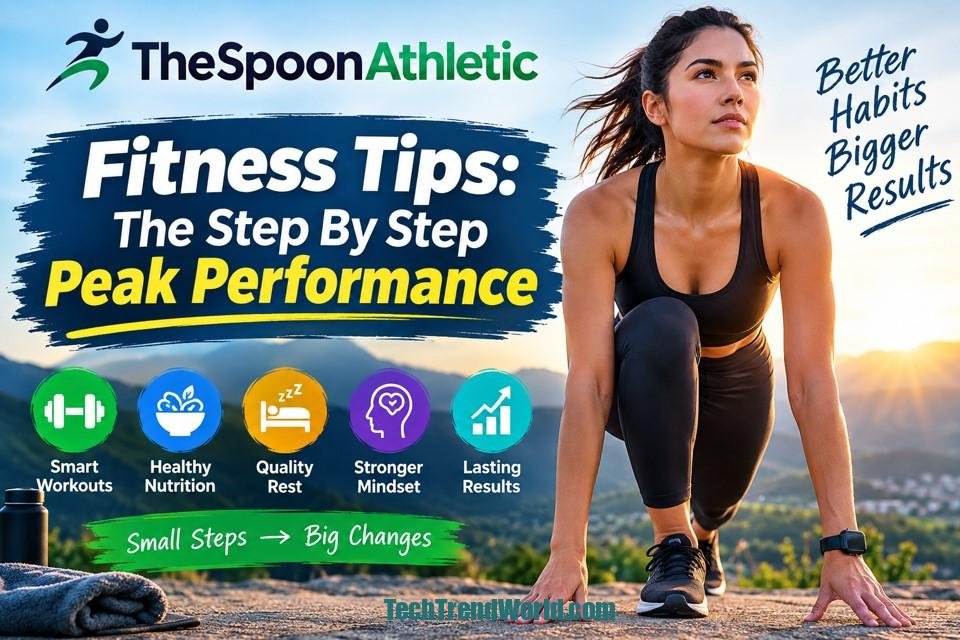
Are you tired of hitting plateaus in your workout routine? Whether you are a beginner stepping into the gym for the first time or a seasoned competitor looking to shave seconds off your personal best, finding the right strategy is crucial. Enter TheSpoonAthletic fitness tips—a comprehensive, results-driven approach that blends science-backed training with holistic recovery.
Modern athletic training is no longer just about lifting heavy weights or running endlessly on a treadmill. It requires a balanced ecosystem of mobility, progressive overload, macronutrient timing, and mental resilience. This guide breaks down the core principles of the TheSpoonAthletic methodology. By the end of this article, you will have a clear, actionable roadmap to build sustainable muscle, prevent injuries, and elevate your overall health.
At its core, TheSpoonAthletic philosophy treats every individual like an athlete, regardless of their current fitness level. It moves away from aesthetic-only workouts (like traditional bodybuilding splits) and focuses entirely on functional performance.
When you train for function, the aesthetics naturally follow. This methodology prioritizes movements that mimic real-life activities. Think squats, deadlifts, lunges, and overhead presses. By leveraging TheSpoonAthletic fitness tips, you train your nervous system and muscles to work in perfect harmony. This results in better posture, increased daily energy, and a significant reduction in chronic pain or joint stiffness.
To fully grasp these fitness tips, you must understand the foundation they are built upon. A balanced athlete does not neglect one pillar for another.
1. Functional Strength Training
Strength is the armor that protects your joints. Incorporating compound movements recruits multiple muscle groups simultaneously. This triggers a higher hormonal response, promoting better muscle growth and fat loss compared to isolation exercises like bicep curls.
2. Cardiovascular Endurance
Cardio is not just for runners. Building your aerobic base improves your VO2 max—the maximum rate of oxygen your body can use during exercise. A strong cardiovascular system ensures quicker recovery between heavy weightlifting sets and keeps your heart healthy.
3. Dynamic Mobility and Flexibility
Stiff muscles tear easily. Mobility work involves actively moving your joints through their full range of motion. Unlike static stretching (which you should save for after your workout), dynamic mobility prepares your central nervous system for the physical stress ahead.
4. Strategic Recovery
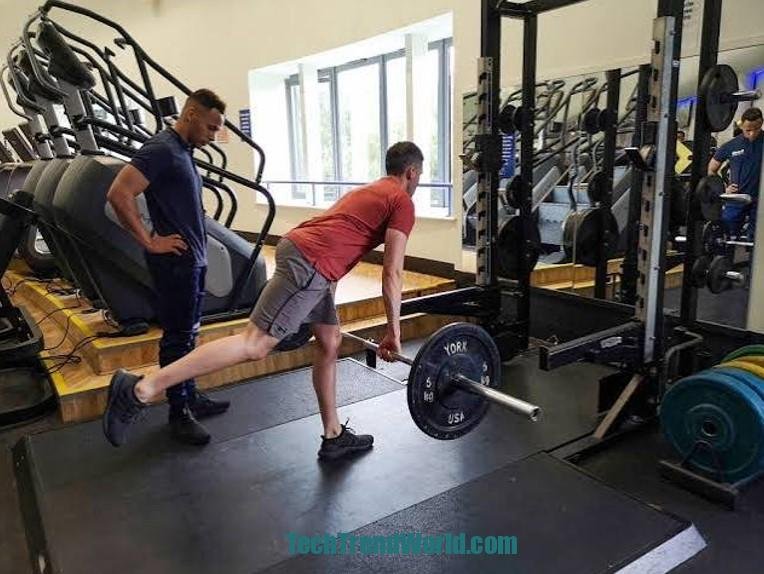
You do not build muscle in the gym; you build muscle in your sleep. Without adequate sleep, hydration, and active recovery days, your body remains in a constant state of breakdown.
Starting a fitness journey can feel overwhelming. Cut through the noise with these actionable, foundational tips.
- Master the Hinge and Squat: Before adding weight, learn how to perform a proper hip hinge (the basis of deadlifts and kettlebell swings) and a bodyweight squat. Proper biomechanics prevent lower back injuries.
- Prioritize Consistency Over Intensity: Going to the gym three times a week for six months yields better results than going six times a week for one month and burning out. Build the habit first.
- Use the “Talk Test” for Cardio: If you are doing Zone 2 cardio (optimal for fat burning and endurance base building), you should be able to hold a conversation. If you are gasping for air, slow down.
- Track Your Baselines: You cannot manage what you do not measure. Keep a simple log of your exercises, sets, reps, and how you felt. This data is vital for applying progressive overload later.
- Hydrate Before You Are Thirsty: Dehydration drops athletic performance by up to 20%. Drink at least 16 ounces of water an hour before your workout begins.
If you have been training for a few years, standard linear progression will eventually stall. Advanced trainees need specific TheSpoonAthletic fitness tips to break through plateaus.
Implement Wave Periodization

Instead of trying to add five pounds to the bar every week, use wave periodization. Fluctuate your volume and intensity over a four-week block. Week 1 is moderate, Week 2 is heavy, Week 3 is your maximum effort, and Week 4 is a “deload” week with lighter weights to allow for central nervous system recovery.
Try Contrast Training
Contrast training pairs a heavy strength movement immediately with an explosive plyometric movement. For example, perform heavy barbell squats for three reps, then immediately execute five explosive box jumps. This exploits post-activation potentiation (PAP), teaching your muscles to fire with maximum power.
Optimize Your Micro-Nutrients

Advanced athletes usually have their macronutrients (proteins, carbs, fats) dialed in. But micro-nutrients are where the magic happens. Ensure you are getting adequate magnesium for muscle relaxation, zinc for testosterone support, and Omega-3 fatty acids to combat systemic inflammation.
You cannot out-train a bad diet. Nutrition dictates whether your time in the gym translates into muscle gain, fat loss, or just exhaustion. Timing your nutrients can provide a significant edge.
Pre-Workout vs. Post-Workout Nutrition
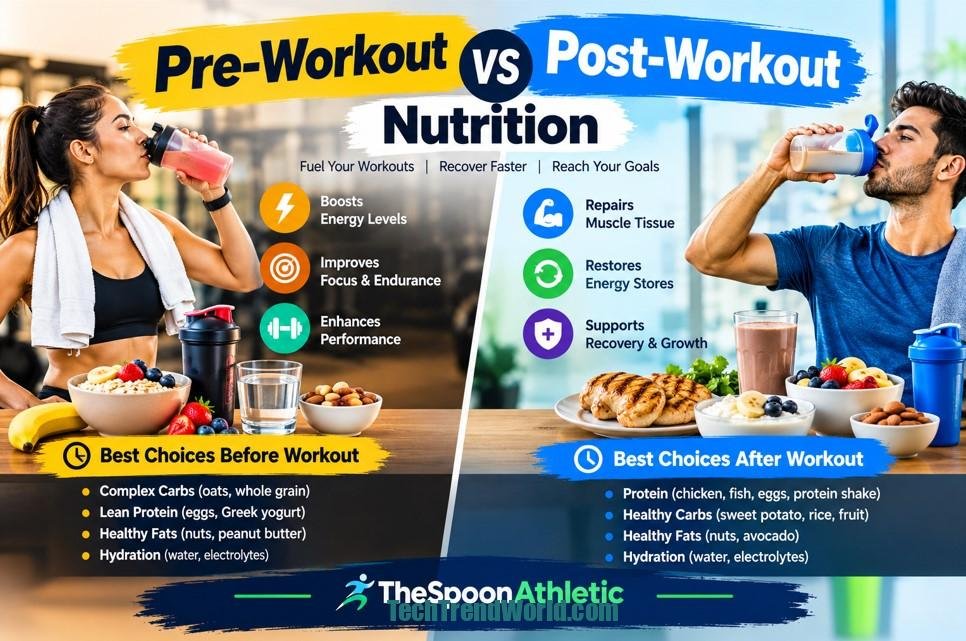
| Feature | Pre-Workout (1-2 Hours Before) | Post-Workout (Within 1 Hour After) |
| Primary Goal | Fuel the upcoming session | Replenish glycogen & repair tissue |
| Carbohydrates | Complex carbs (oats, sweet potato) | Simple carbs (fruit, white rice) |
| Protein | Moderate (15-20g) | High (25-40g fast-absorbing) |
| Fats | Low (slows digestion) | Low to Moderate |
| Hydration | 16-20 oz water + electrolytes | 24 oz water per pound lost |
Active Recovery Protocols: Do not just sit on the couch on your off days. Engage in active recovery. Light cycling, brisk walking, or a dedicated yoga session increases blood flow to sore muscles, flushing out metabolic waste and speeding up the repair process.
Every fitness methodology has its strengths and limitations. Here is an honest look at the TheSpoonAthletic style of training.
Pros:

- Holistic Health: Improves heart health, joint longevity, and muscle mass simultaneously.
- Injury Prevention: Focuses heavily on biomechanics and mobility, reducing the risk of strains and sprains.
- Real-World Application: Functional strength translates directly into easier daily living (carrying groceries, playing with kids).
- Mental Toughness: Blending heavy lifts with endurance work builds incredible mental resilience.
Cons:
- Steep Learning Curve: Compound lifts like deadlifts and power cleans require coaching or intensive study to perform safely.
- Time Intensive: Properly warming up, lifting, doing cardio, and cooling down can take 60 to 90 minutes per session.
- High Fatigue: Balancing strength and endurance demands strict attention to sleep and nutrition to avoid overtraining.
Even with the best TheSpoonAthletic fitness tips, pitfalls exist. Avoid these common traps to ensure steady progress.
-
Skipping the Warm-Up:
Walking on a treadmill for two minutes is not a warm-up. You need a 10-minute dynamic routine to lubricate joints and activate the central nervous system.
-
Chasing Soreness:
Delayed Onset Muscle Soreness (DOMS) is not an indicator of a good workout; it is just a sign of novel stimulus. A great workout leaves you stimulated, not annihilated.
-
Program Hopping:
Switching routines every two weeks prevents your body from adapting. Stick to a program for at least 8 to 12 weeks to see true physiological changes.
-
Ignoring Sleep:
Getting fewer than 7 hours of sleep drastically reduces growth hormone production and increases cortisol, forcing your body to hold onto body fat.
Frequently Asked Questions (FAQ)
1. How many days a week should I follow the TheSpoonAthletic routine?
For most individuals, 3 to 4 days of structured training is optimal. This allows for sufficient stimulus while leaving 3 days for active recovery, mobility work, and rest.
2. Do I need expensive supplements to see results?
No. Supplements are meant to fill gaps in a solid diet. A high-quality whey protein, creatine monohydrate, and a basic multivitamin are helpful, but real whole foods should always come first.
3. Is this approach safe for older adults?
Absolutely. Functional fitness is vital for aging populations. The key is scaling the movements. A barbell squat can be modified to a goblet squat or a bodyweight box squat to match the individual’s mobility levels.
4. How long does it take to see visible results?
Neurological adaptations (feeling stronger) happen within the first 2 to 3 weeks. Visible physical changes (muscle hypertrophy and fat loss) generally take 8 to 12 weeks of consistent training and proper nutrition.
5. What is the best way to track my progress?
Do not rely solely on the scale. Take progress photos every two weeks, measure your waist and arms with a tape measure, and track your strength increases in the gym.
6. Can I do this routine at home?
Yes. While a gym offers barbells and heavy weights, the principles of TheSpoonAthletic training apply to kettlebells, resistance bands, and bodyweight calisthenics. Progressive overload is the key, regardless of the equipment.
7. Should I do cardio before or after lifting weights?
If your primary goal is building strength or muscle, always lift weights first when your energy is highest. Do your cardio afterward. Doing intense cardio first depletes glycogen, leaving you weak for heavy lifts.
8.How do I know if I am overtraining?
Signs of overtraining include chronic fatigue, nagging joint pain, a sudden plateau or drop in strength, mood swings, and difficulty sleeping. If you experience these, take a full week off to rest.
Conclusion:
Transforming your body and elevating your physical capabilities does not require magic. It requires discipline, the right knowledge, and a commitment to consistency. By applying these TheSpoonAthletic fitness tips, you are adopting a holistic lifestyle that respects the science of human movement.
Remember to prioritize functional compound movements, build a robust cardiovascular base, and never skimp on your sleep or nutrition. Fitness is a lifelong marathon, not a quick sprint. Take these strategies, apply them to your next workout, and watch as your strength, energy, and overall health reach completely new heights. Keep pushing forward, listen to your body, and enjoy the process of becoming the best version of yourself.